EPS ADHESIVES & BASECOATS
8 products
Showing 1 - 8 of 8 products
EPS Adhesives and Basecoats UK — Fibre-Enhanced Bonding and Reinforcement for EWI Systems
Product Overview — What This Category Covers
EPS adhesives and basecoats are the products that glue insulation boards to your wall and create the tough, mesh-reinforced layer underneath the final render finish — giving your external wall insulation system its structural backbone. As part of the wider rendering materials range, this collection brings together everything you need for the bonding and reinforcement stages of an EWI project, whether you are insulating a three-bedroom semi, a Victorian terrace, or a multi-unit development.
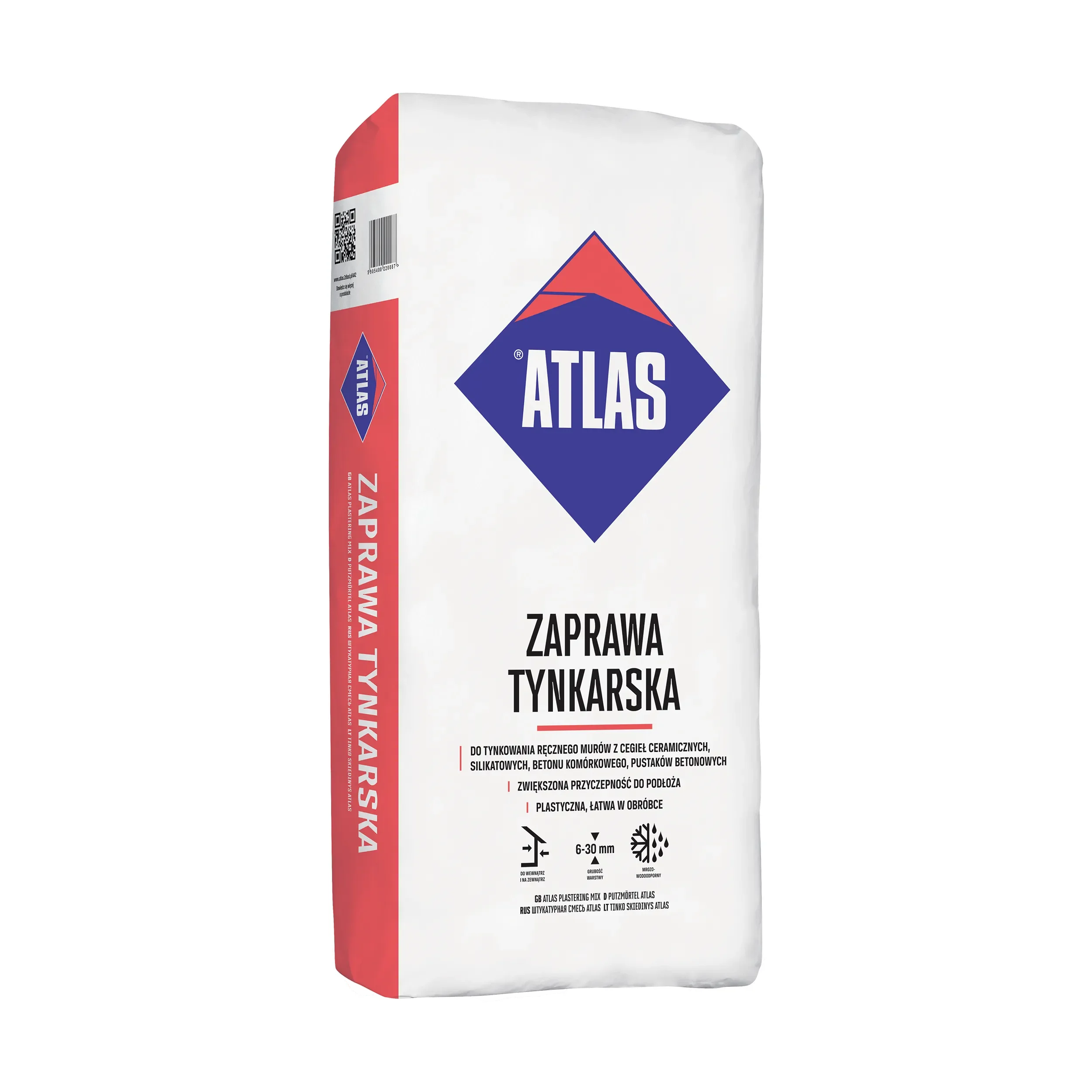
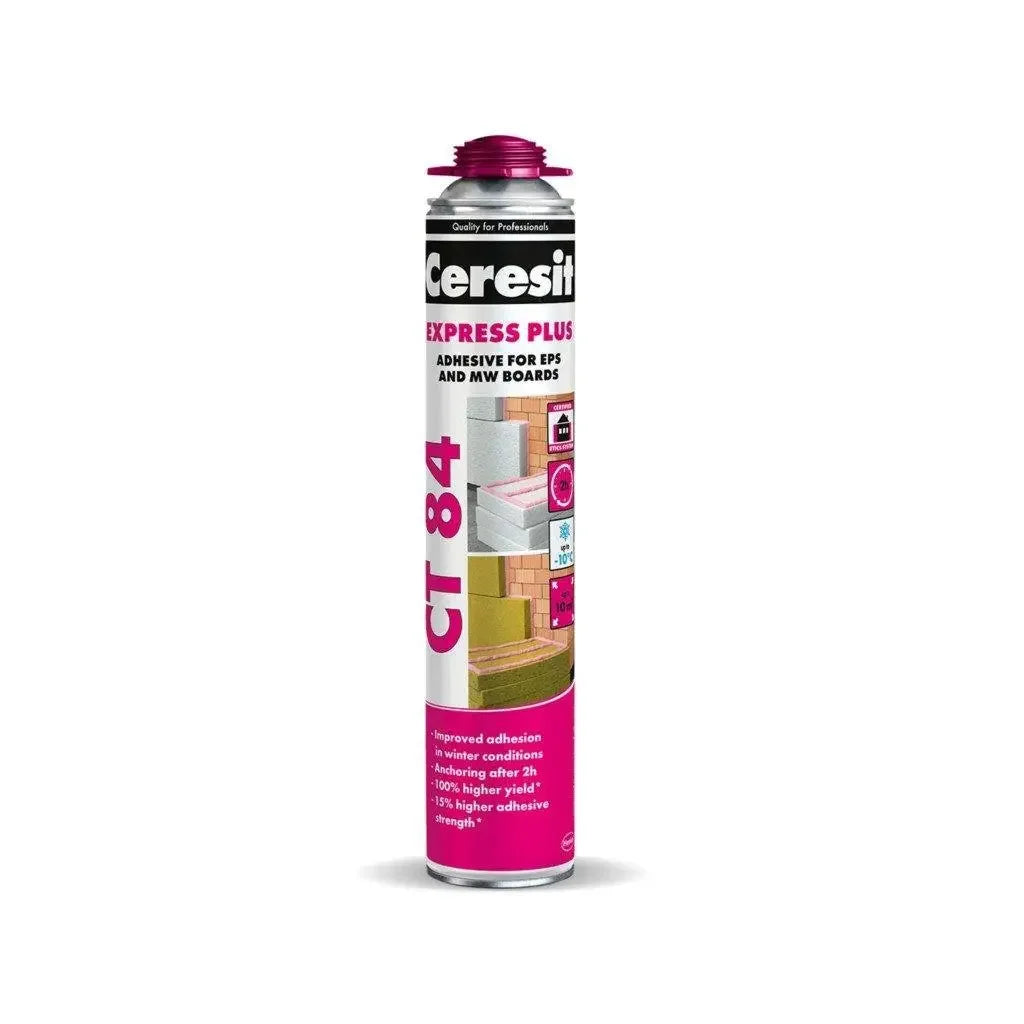
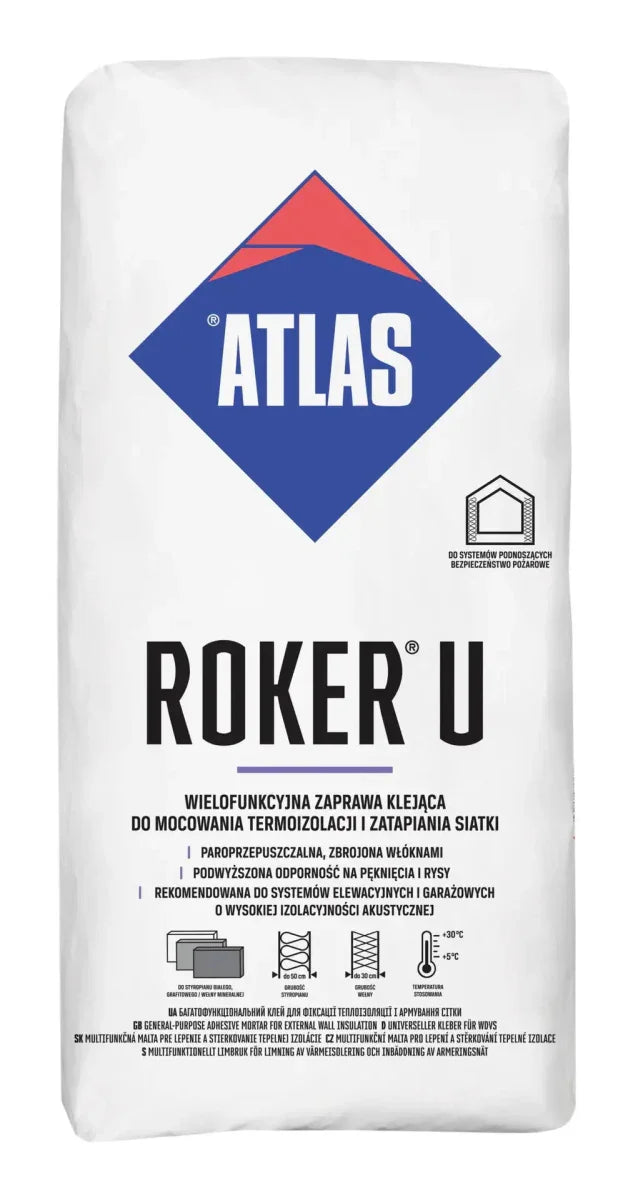
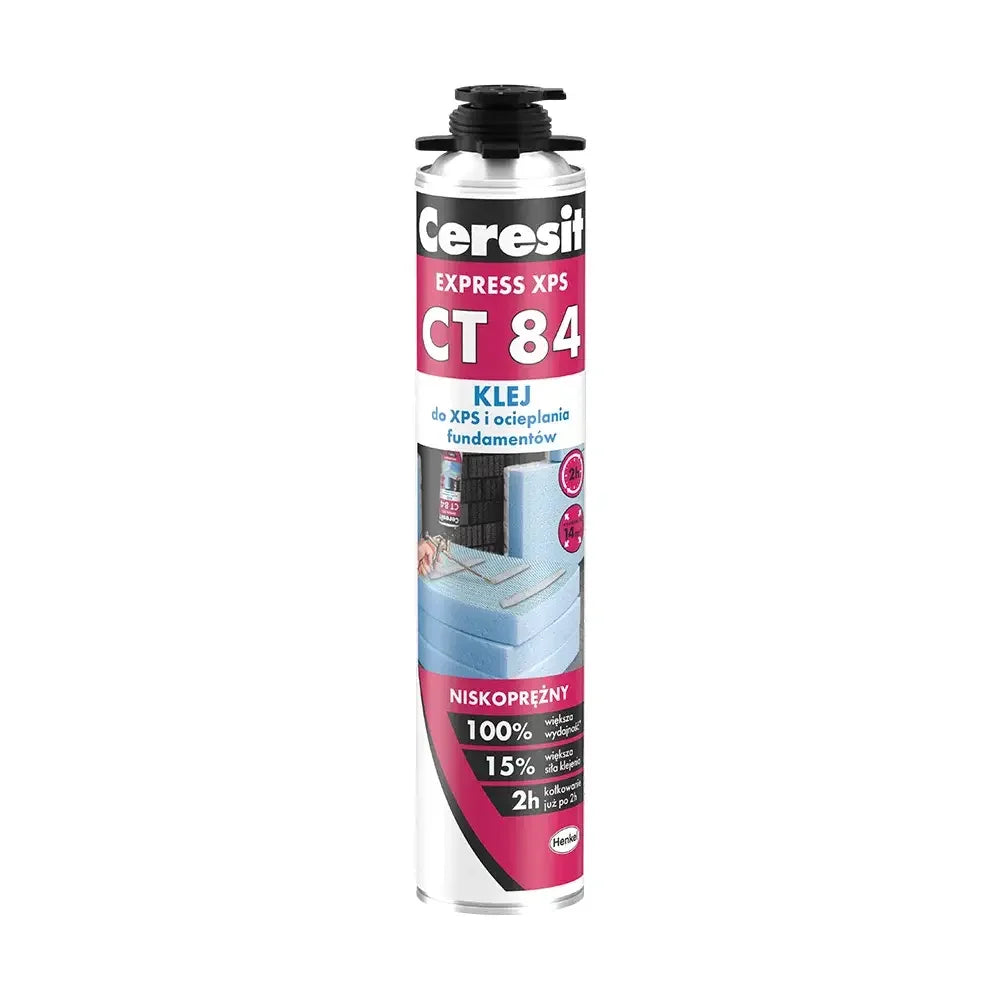
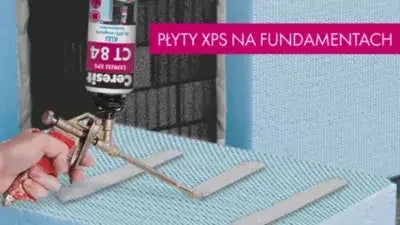
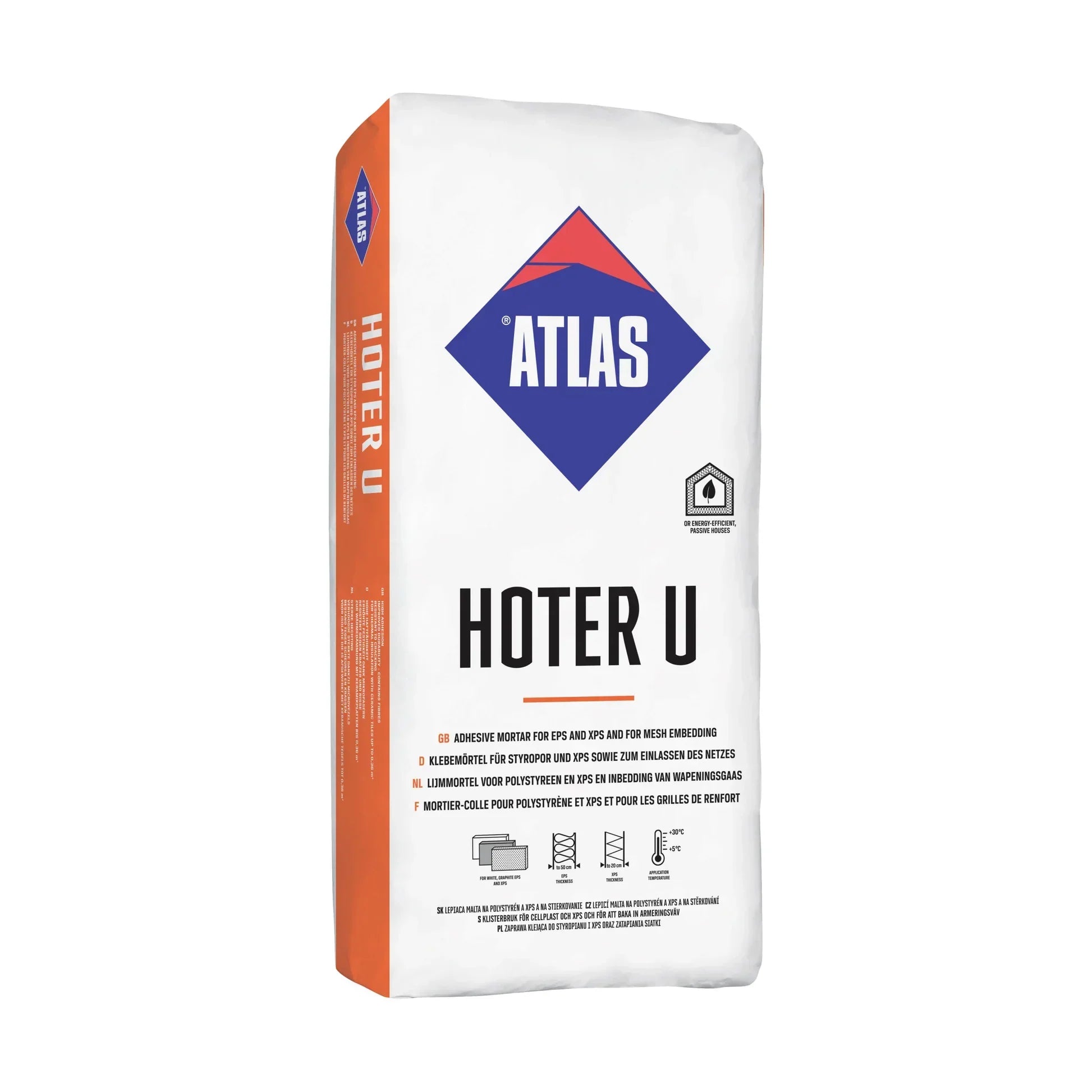
The range covers three distinct product types to match different site conditions and specifications. Cementitious 2-in-1 adhesives — including the fibre-enhanced Atlas Hoter U and the universal Roker U — handle both board bonding and mesh embedding from a single 25 kg bag, keeping your scaffold neat and eliminating compatibility risk between separate products. Ceresit CT84 polyurethane foam extends the working season down to 0 °C, anchoring EPS or XPS boards in approximately two hours instead of the 24–48 hours a cementitious adhesive requires. Preparation products — Atlas One Coat Dash Cover and ZW330 Fast Setting Levelling Mortar — ensure uneven substrates are flat and sound before the insulation goes on.
Key Benefits and Technical Advantages
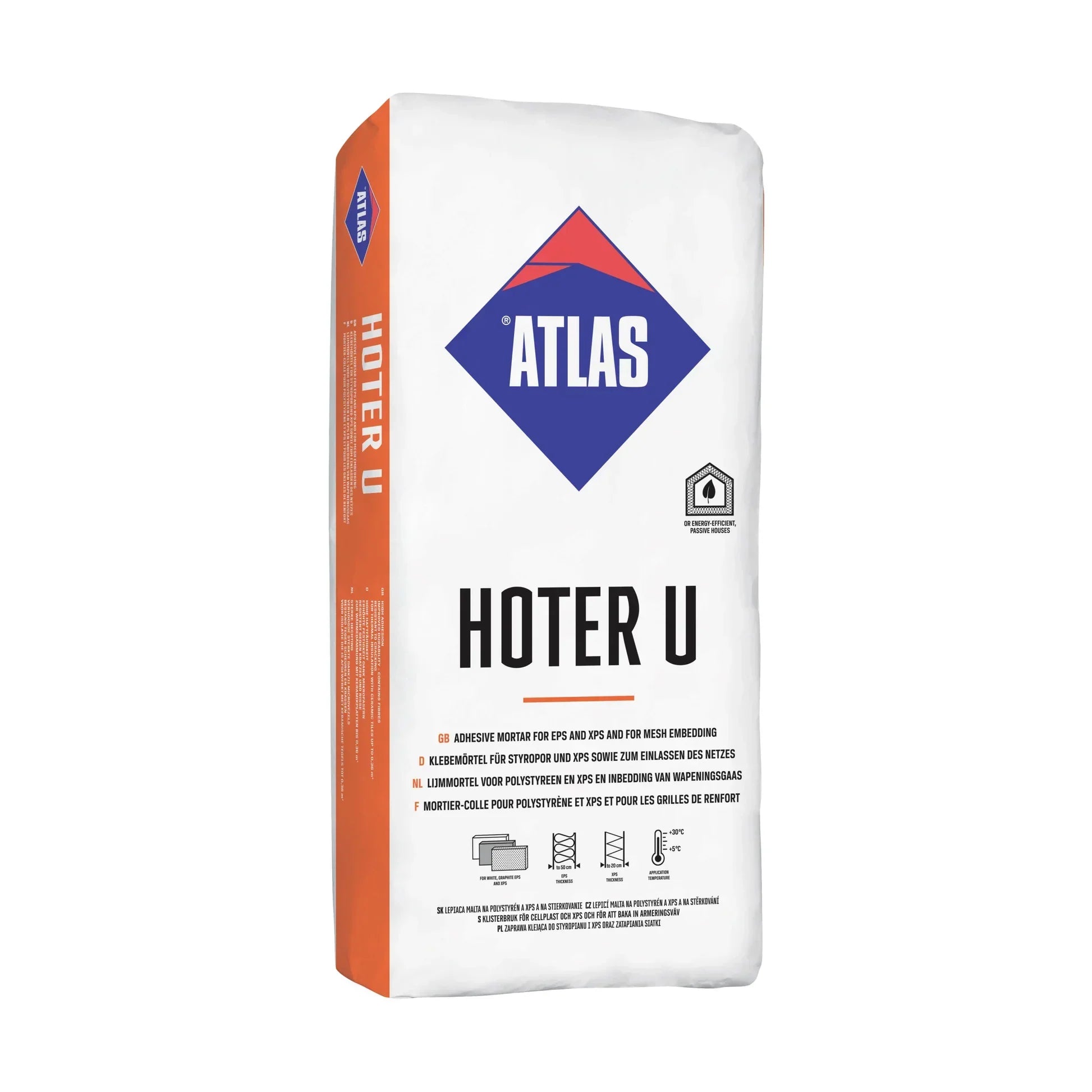
- Crack-Free Reinforcement Layer: Polypropylene and glass micro-fibres inside Atlas Hoter U and Roker U actively bridge hairline fractures as they form during thermal cycling, so the finished facade stays smooth and intact through decades of seasonal expansion and contraction (fibre reinforcement per EN 998-1:2016, current edition).
- Year-Round Installation Capability: Ceresit CT84 polyurethane foam bonds boards at temperatures as low as 0 °C with anchoring strength in roughly two hours, so winter retrofit programmes continue without heated enclosures or costly site shutdowns between November and March.
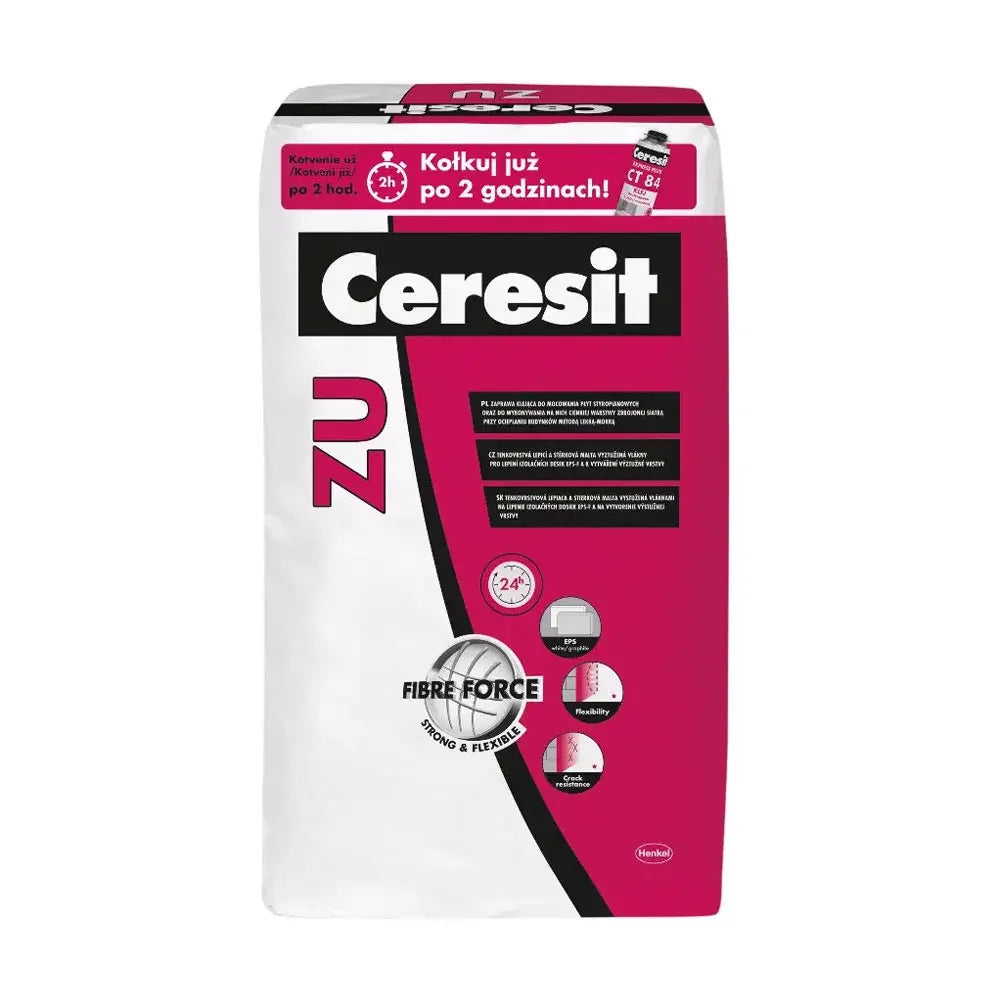
- One Product, Two Jobs: Atlas Hoter U, Ceresit ZU, and Roker U each function as both board-bonding adhesive and mesh-embedding basecoat from the same bag, which means fewer materials on the scaffold and no risk of ordering two incompatible products for the bonding and reinforcement stages.
- Certified System Compliance: Key products carry BBA, ETA, and NSAI technical approvals, providing the documentation trail that Building Control, NHBC warranty inspections, and PAS 2035 retrofit coordinators require across England, Scotland, Wales, and Northern Ireland.
- Universal Board Compatibility: The collection covers standard white EPS, graphite-enhanced EPS, XPS foundation boards, and dual-density mineral wool slabs, so one supplier fulfils the adhesive requirement regardless of whether the project sits below DPC, on a solid brick wall, or on a timber-frame structure.
- Breathable Moisture Management: Every cementitious adhesive in the range is highly vapour permeable, allowing moisture to pass outward rather than becoming trapped behind the insulation — helping older solid-wall properties stay dry and mould-free for the long term.
Technical Specifications / Selection Guide
Use this table to match the right adhesive to your board type, substrate, and expected site temperature. The "Coverage (Bonding)" column shows consumption for the board-fixing stage; the "Coverage (Basecoat)" column shows consumption for the mesh-embedding stage. On 2-in-1 products, add both figures together to calculate total material per square metre for your order.
| Product | Type | Pack Size | Coverage (Bonding) | Coverage (Basecoat) | Min. Temp. | Board Compatibility |
|---|---|---|---|---|---|---|
| Atlas Hoter U (Grey / White) | Cementitious 2-in-1 | 25 kg | 4.0–5.0 kg/m² | 3.0–3.5 kg/m² | +5 °C | EPS up to 500 mm, XPS up to 200 mm |
| Ceresit ZU | Cementitious 2-in-1 | 25 kg | 4.0–5.0 kg/m² | 3.0–4.0 kg/m² | +5 °C | EPS, mineral substrates |
| Roker U | Cementitious 2-in-1 | 25 kg | 4.0–5.0 kg/m² | 3.0–4.0 kg/m² | +5 °C | EPS up to 500 mm, mineral wool up to 300 mm |
| Ceresit CT84 (EPS) | PU Foam | 850 ml | ~10 m² per canister | N/A (separate basecoat required) | 0 °C | EPS, XPS, OSB, metal, brick |
| Ceresit CT84 (XPS) | PU Foam | 850 ml | ~10 m² per canister | N/A (separate basecoat required) | 0 °C | XPS, EPS, OSB, metal, brick |
| Atlas One Coat Dash Cover | Cement-lime mortar | 30 kg | ~18.5 kg/m² per 10 mm | N/A | +5 °C | Brick, block, concrete substrates |
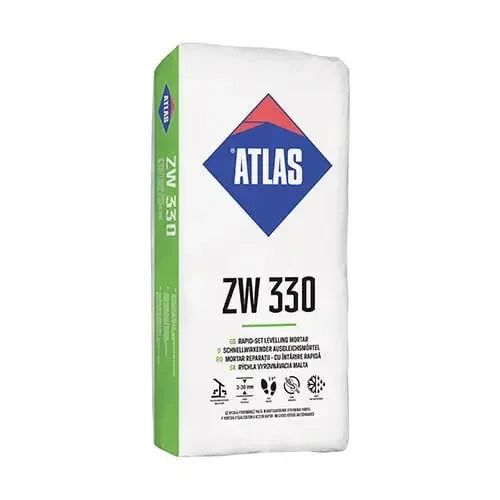
| ZW330 Fast Setting Mortar | Levelling mortar | 25 kg | Application-dependent | N/A | +5 °C | Substrate repair (3–30 mm layers) |
Application and System Compatibility
These adhesives and basecoats form the bonding and reinforcement stage of a full EWI system — the structural layer between the wall and the decorative render finish. A complete project typically pairs them with EPS insulation boards, mechanical fixings, alkali-resistant fibreglass mesh, a compatible primer, and a decorative topcoat render. Choosing the right adhesive at this stage means a secure bond that lasts the full service life of the system, with no hidden weak points under the finished facade.
- Substrate suitability: Hoter U, ZU, and Roker U bond directly to brick, blockwork, concrete, and cement render in sound condition. For painted surfaces, a cross-hatch adhesion test confirms whether the existing coating is stable enough to receive adhesive; if the coating passes, you can apply directly. CT84 foam bonds to timber, OSB, metal, and bituminous membranes as well as all standard masonry substrates, making it the practical choice on timber-frame and mixed-substrate facades.
- Board compatibility: Standard white EPS, graphite-enhanced EPS (lambda 0.031–0.032 W/mK, meaning thinner boards achieve the same thermal performance as thicker standard EPS), and XPS boards are all compatible with this range. For detailed guidance on matching adhesive type to specific board and substrate combinations, the product investigation guide covers every scenario.
- Mineral wool projects: Roker U is the only adhesive in this collection certified for both mineral wool boards (up to 300 mm) and EPS boards (up to 500 mm), so projects that combine board types across different elevations can standardise on a single adhesive — simplifying procurement and reducing the risk of product mix-ups on the scaffold.
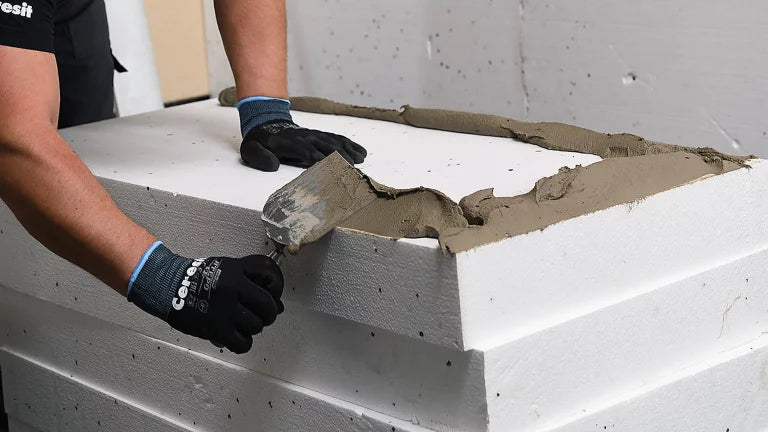
- Mesh integration: When using 2-in-1 products for the basecoat stage, embed alkali-resistant fibreglass mesh (minimum 145 g/m²) into the first pass while the mortar is still wet, maintaining at least 100 mm overlap at every mesh joint to create a continuous reinforcement layer. The basecoat and mesh reinforcement layer guide walks through the full embedding technique step by step.
Trade Insight: Pro Application Notes
Checking the wall surface temperature with an infrared thermometer — not just the air — is a step worth getting right on every winter job. Brickwork on a north-facing elevation in December can hold overnight cold well into late morning, sitting at +2 °C while ambient air registers +7 °C. Confirming the substrate reads at least +5 °C before mixing cementitious adhesive gives the cement hydration process the conditions it needs for full bond strength. If the wall is too cold and the schedule cannot wait, switching to CT84 polyurethane foam keeps the programme on track because it cures through a moisture-activated reaction that performs reliably right down to 0 °C.
Mixing only as much cementitious adhesive as the team can apply within 30 minutes in summer or 45 minutes in mild spring conditions keeps the mortar workable and the bond consistent from first trowel to last.
Is This Right for Your Project?
- This range is the right choice if you are bonding EPS, XPS, or mineral wool insulation boards and creating the reinforced mesh basecoat layer as part of an external wall insulation system — on a domestic retrofit, a new-build development, or a commercial refurbishment. Every cementitious adhesive in the collection carries BBA or ETA approval, so your system documentation is straightforward from day one.
- Looking for seasonal flexibility? The foam adhesive versus traditional cementitious comparison guide helps you decide whether CT84 polyurethane foam or a standard 2-in-1 mortar best fits your project timeline and winter working conditions.
- Need a different finishing system? If your project involves decorative topcoat renders rather than insulation adhesives, the premium silicone render collection covers the final-coat stage of the system with hydrophobic, vapour-permeable finishes in over 480 colours.
Frequently Asked Questions
How many bags of EPS adhesive do I need per 100 m² of facade?
A standard 100 m² elevation on a reasonably flat masonry wall using a cementitious 2-in-1 adhesive for both bonding and mesh basecoat typically requires 28–36 bags (25 kg each), based on a combined consumption of roughly 7–9 kg/m². A typical three-bedroom semi-detached house has around 60–80 m² of insulated facade, so most jobs in that size range need 20–25 bags. If you are using CT84 polyurethane foam for the bonding stage instead, approximately 10 canisters cover 100 m² of board bonding, but you will still need an additional 12–16 bags of 25 kg cementitious mortar for the mesh-embedding basecoat layer. Adding a 20–30 % contingency is sensible on older brick walls that may need localised levelling before the boards go on.
Can I apply EPS adhesive in winter when temperatures drop below 5 °C?
Cementitious adhesives such as Atlas Hoter U and Ceresit ZU perform best when both the ambient air and the substrate surface remain at or above +5 °C during application and for at least 24 hours afterwards, because the cement hydration process needs that warmth to reach full bond strength. For projects that run into the colder months, Ceresit CT84 polyurethane foam is rated for application down to 0 °C and cures through a moisture-activated chemical reaction that actually benefits from the higher humidity typical of British winters — effectively extending the viable working season by two to three months without the cost of heated scaffold enclosures.
What is the difference between a 2-in-1 adhesive and a dedicated basecoat?
For most residential EWI projects, a 2-in-1 adhesive such as Atlas Hoter U or Ceresit ZU is the simplest choice — it bonds the insulation board to the wall and embeds the fibreglass mesh into the reinforced basecoat layer from the same 25 kg bag, so you order one product instead of two. This eliminates compatibility risk between separate bonding and basecoat materials and keeps scaffold storage straightforward. A dedicated basecoat is optimised solely for the mesh-embedding stage, typically with a finer aggregate grading and higher polymer content that produces a smoother surface for the topcoat render. Dedicated basecoats become relevant on large commercial facades where spray application and a finer finish surface are specified.
Is Roker U suitable for mineral wool as well as EPS?
Roker U is the only adhesive in this collection certified for both mineral wool boards (up to 300 mm thick) and EPS boards (up to 500 mm thick). Its higher polymer dispersion content and vapour permeability make it especially well suited to mineral wool applications, where unrestricted moisture vapour transfer through the adhesive layer is essential for keeping the wall dry and mould-free over the long term. If your project uses mineral wool on fire-sensitive elevations and EPS on sheltered elevations, Roker U allows you to standardise on a single adhesive across the entire building — simplifying procurement, reducing scaffold clutter, and cutting the risk of product mix-ups.
Which adhesive should I pair with graphite EPS boards for Part L compliance?
Every cementitious 2-in-1 adhesive in this collection — Hoter U, ZU, and Roker U — is fully compatible with graphite-enhanced EPS boards targeting the 0.18 W/m²K wall U-value pathway under the Future Homes Standard. The choice between them comes down to your board type, site conditions, and whether the specification also includes mineral wool elsewhere on the building. For board thicknesses above 150 mm, ensure mechanical fixings are installed at the density specified in the system certificate (typically 6–8 per m²) alongside the adhesive bond, because the thicker boards benefit from that additional mechanical security against wind-uplift loads during autumn and winter storms. Pairing the right adhesive with fibre-enhanced basecoat technology maximises the crack resistance of the finished reinforcement layer.